Zoom · Design Systems · 6 Design Teams · 2022 – 2023
From side project to enterprise platform
Zoom's first web design system. It started as a personal survival tool, stress-tested against a three-month brand redesign, then rebuilt into an enterprise platform adopted by six design teams.
3 Months
To redesign Zoom's brand and website
165
Fully documented components
70%
Faster time to market
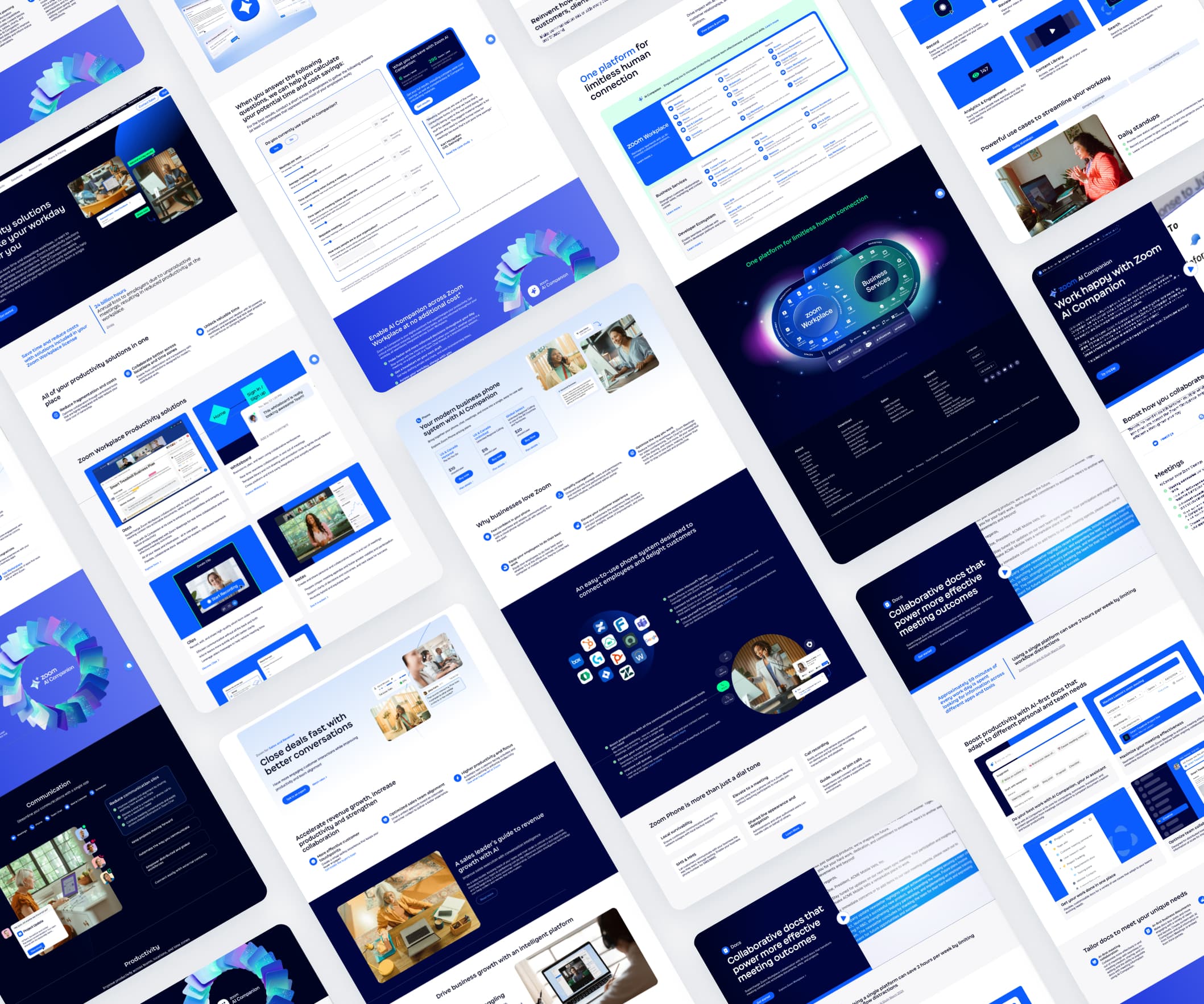
In 2020, Zoom was arguably the hottest company in the world. I joined as their web designer and found myself solely responsible for one of the highest-trafficked websites on the planet. The design environment was, to put it generously, a clean slate.
My predecessor left the week I arrived. No handoff, no documentation, no component library. My only references were what was live on the site and a handful of design files that may or may not have reflected reality. Every page had been built from scratch. Thousands of them. No shared structure, no naming conventions, no way to make a global update without touching each one individually.
At Zoom's pace, that was unsustainable.
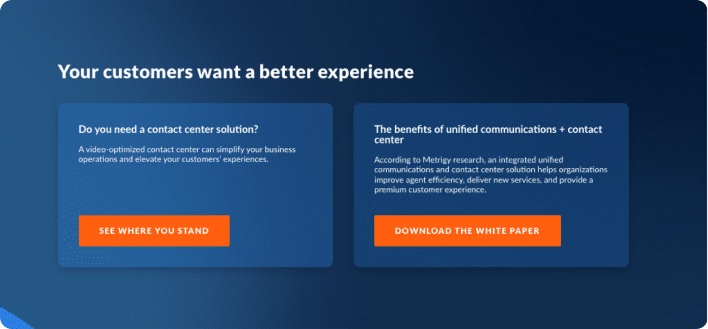

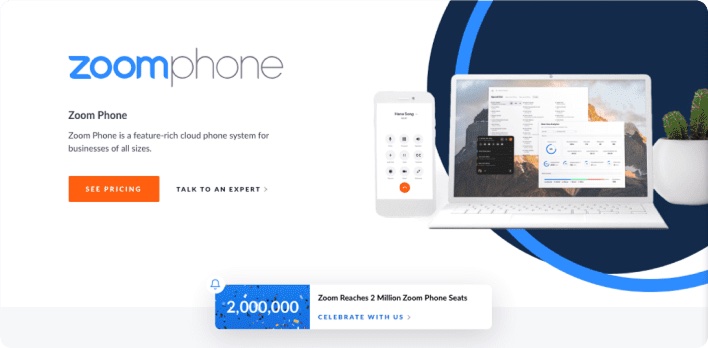
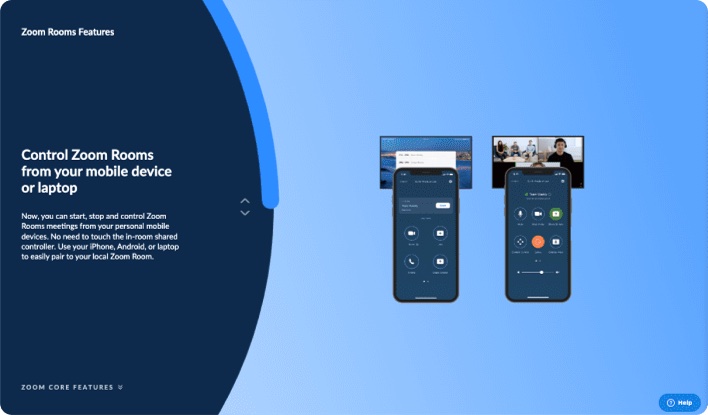
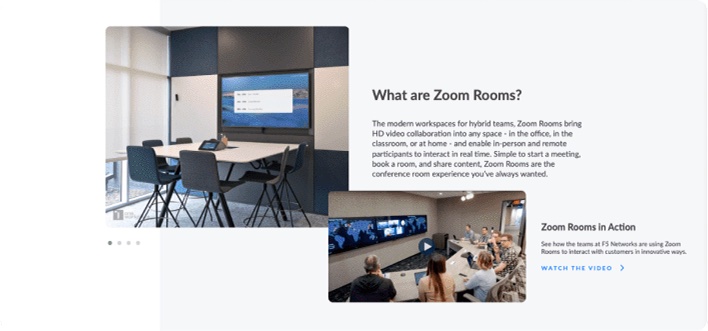
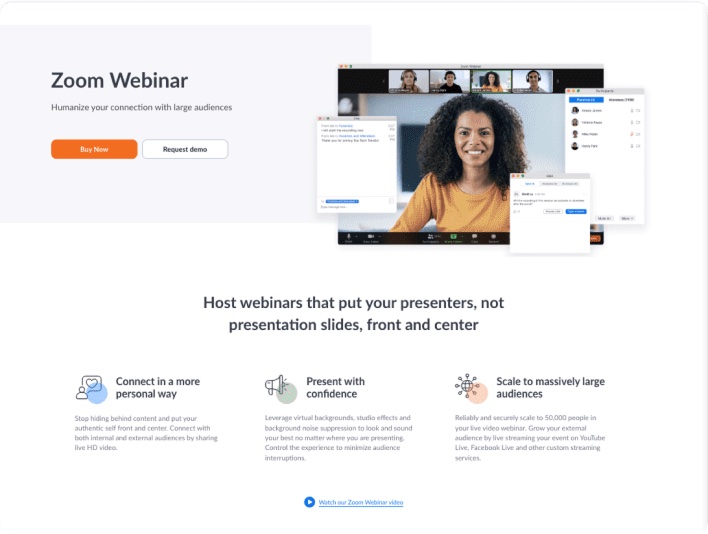
Thousands of one-off pages with nothing connecting them. Every update was a one-by-one operation on a site moving at Zoom's pace.
The Workaround
Built out of necessity
Out of necessity, I started thinking in systems. When I needed to build a new page, I'd clone an existing one and modify it. The most common patterns became shared templates I could pull from. Those templates eventually moved into a standalone library I maintained alongside my regular work.
Around that time, I encountered design systems as a formal discipline, and recognized immediately what I'd been building. I began converting my library to a proper system incrementally, component by component, as I worked. There was no dedicated project, no greenlight, no kickoff meeting. I owned the design end-to-end. So I just built it.
The Platform
From workaround to platform
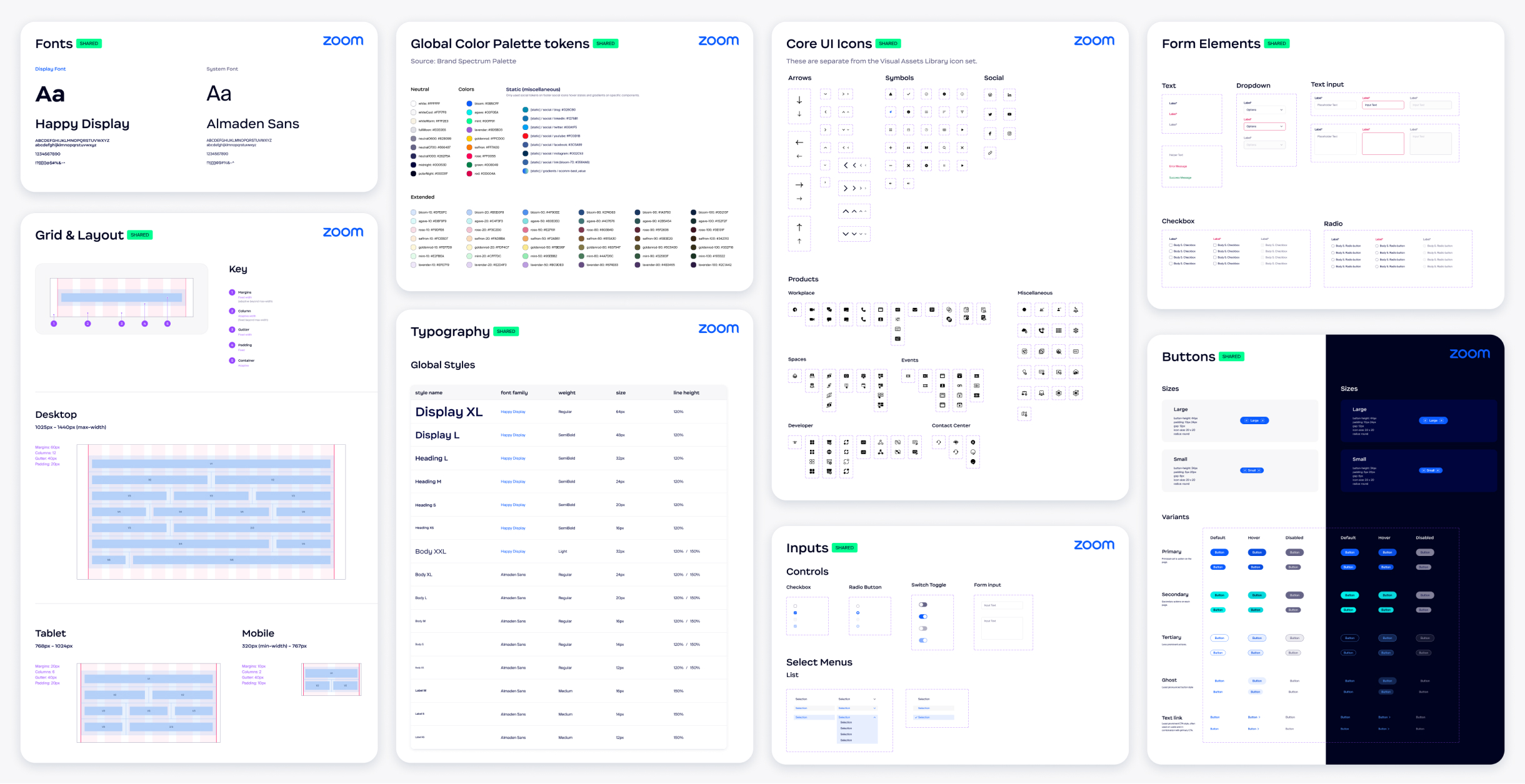
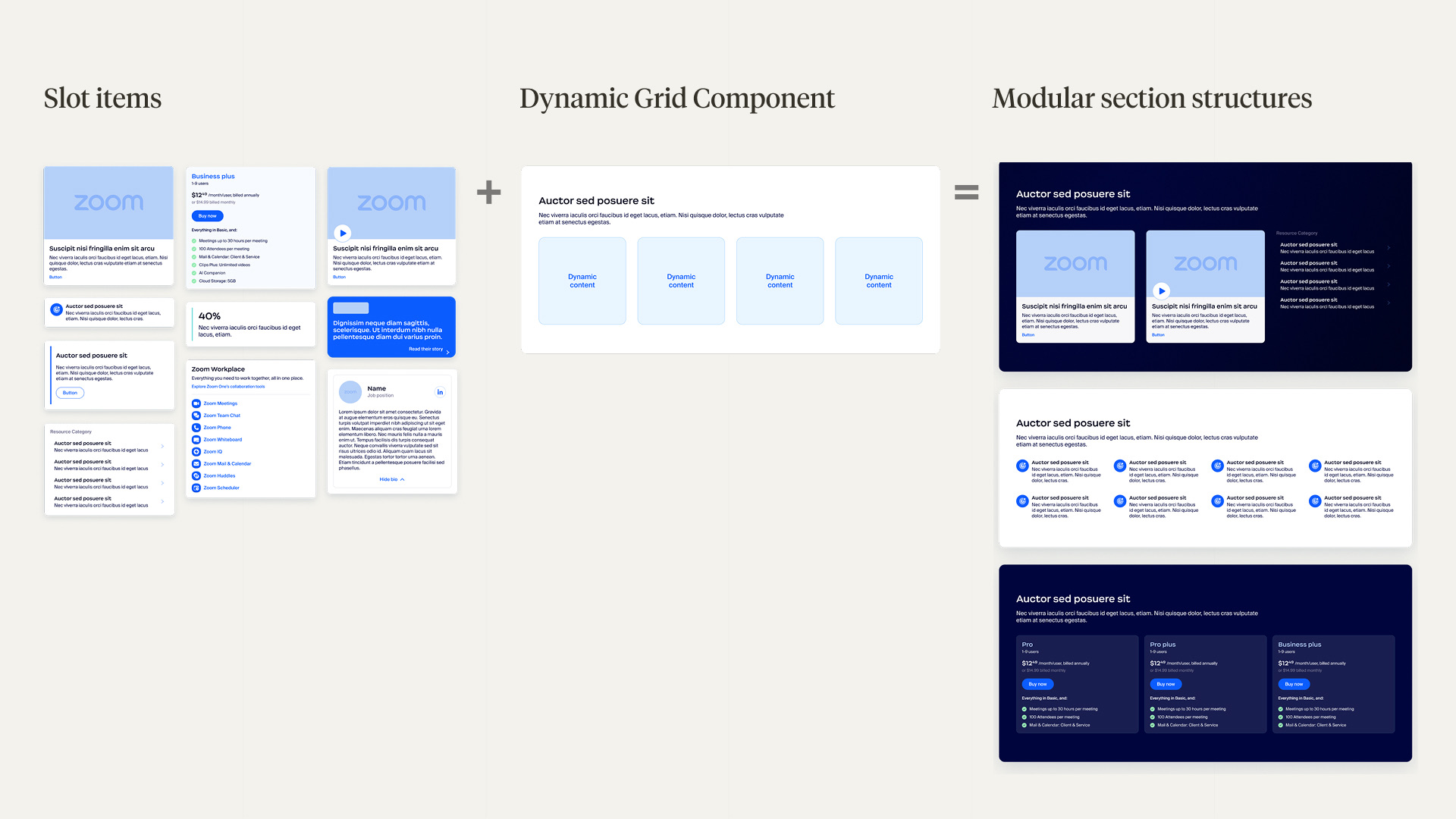
I was promoted to manager in 2022 and began hiring a team around me. The personal library became a shared platform. We formalized the structure: design tokens, a global color system, typography scales, and a grid, then built up through atoms, molecules, and organisms using Figma's variant system, instance swap properties, and configurable slots. Every component was adaptive, responsive, and prototyped. A designer could assemble, author, and hand off a complete page in hours.
Design tokens to components to full page templates: the same personal library, now a shared platform built for a team.
Building a page
Every component was built with Figma's variant system, instance swap properties, and configurable slots: adaptive, responsive, and ready to prototype with.
Fully responsive
Responsive behavior was baked into every component. Designers got mobile layouts without rebuilding anything from scratch.
The Stress Test
Three months to redesign Zoom

In summer 2022, we had three months to redesign Zoom's brand and website. The design system either proved itself here or it didn't.
I split the work across a team of three, each focused on the part of the system they could move fastest.
Within weeks, we flipped the switch. The new brand reflected across the site, consistently, because the only thing that changed was the master components. Time to market decreased by 70%.
WDS 2.0
Rebuilt from scratch, at scale
In 2023, Zoom contracted Hero Digital to migrate the CMS from WordPress to Optimizely. I used the opportunity to rebuild the design system from scratch, with everything 1.0 had taught us.
The scale was different in every way. Where 1.0 was scrappy and in-house, this was a six-month enterprise rebuild with 30+ people across Hero Digital, ContentSquare, and several Zoom teams. Zoom was ContentSquare's largest customer at the time, and this was their biggest active project. I led the design function: setting direction, running reviews with Hero's team, and making sure what they built in Optimizely matched what the design system specified, at every component level.
The result: 165 fully documented components, 2,280 variants, and complete design-to-engineering parity. An interactive documentation library gave designers, engineers, and stakeholders a shared source of truth for every component in the system. Six design teams adopted it.
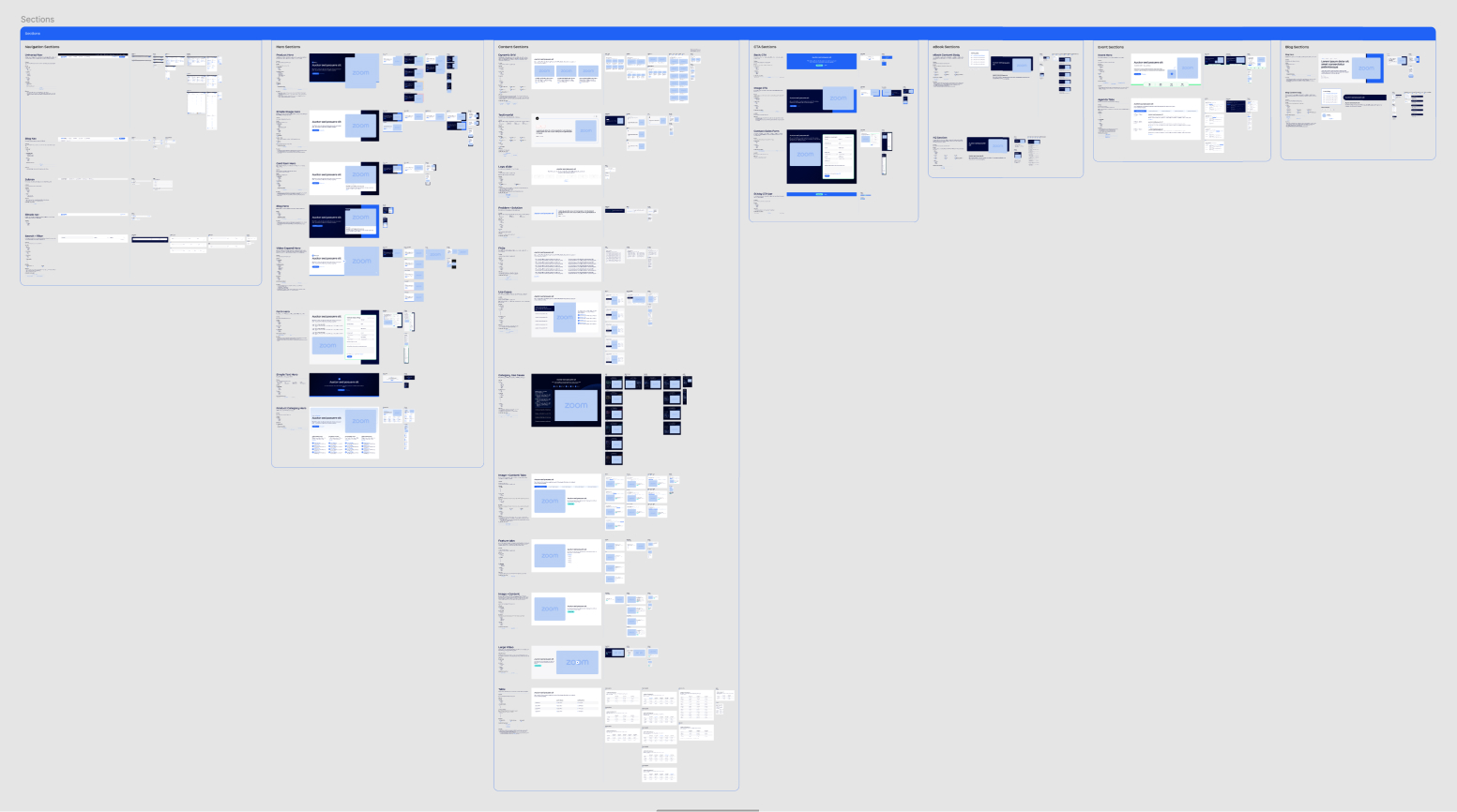
165 components, browsable by category. The shared front door for designers, engineers, and stakeholders.
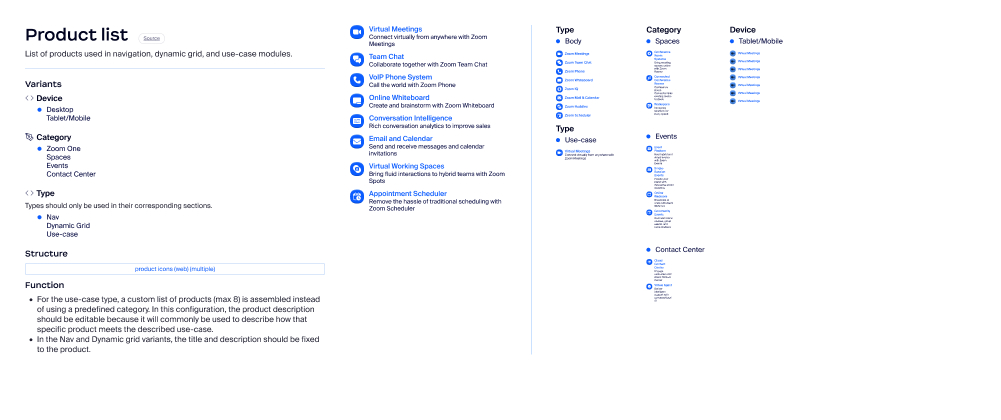
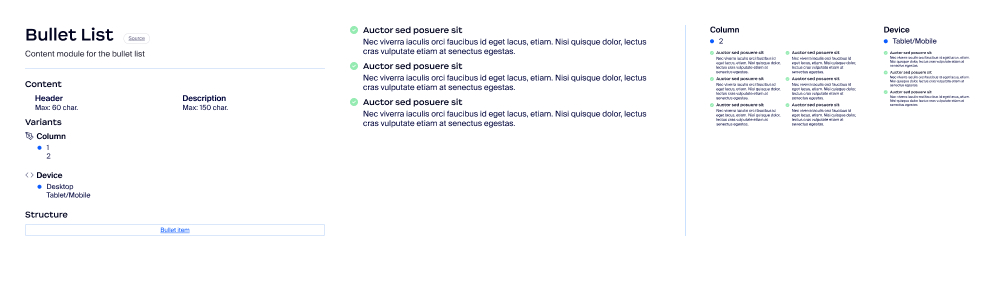
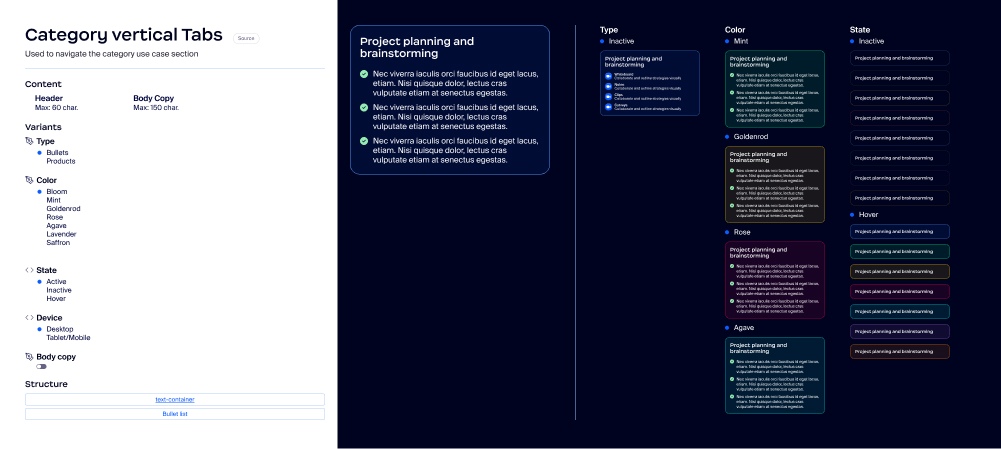
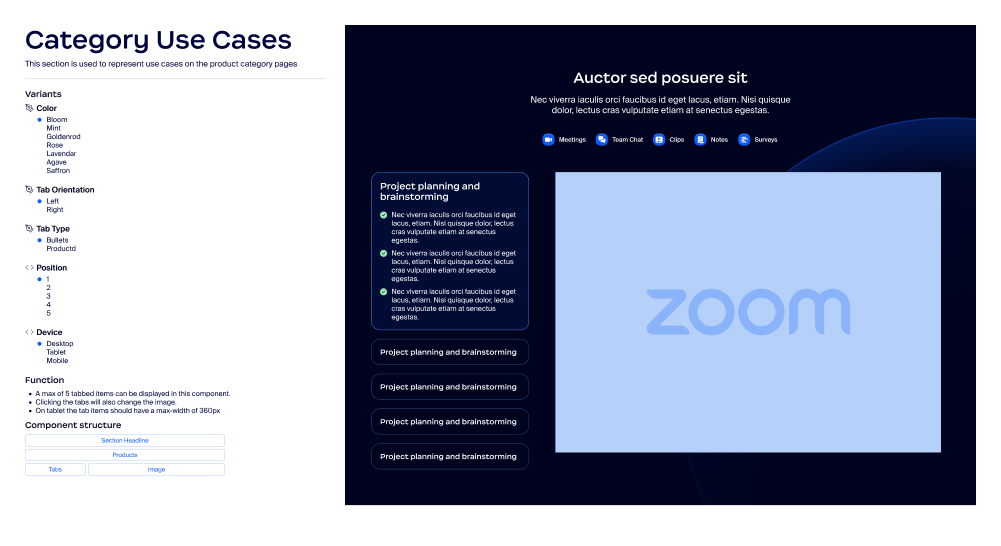
Anatomy, variants, configuration props, and usage guidance: everything needed to use a component correctly.
2,280
Component variants
1.7M
Individual layers
6
Design teams using WDS
70%
Faster time to market
WDS is still the foundation Zoom's web teams build on today.